Use cases
Where teams use it.
We focus on drones only. These are the three jobs we do today, starting with the one we know best.
Counter-drone detection
Find a small drone in a camera feed, far away, against sky, trees or buildings, in bad light.
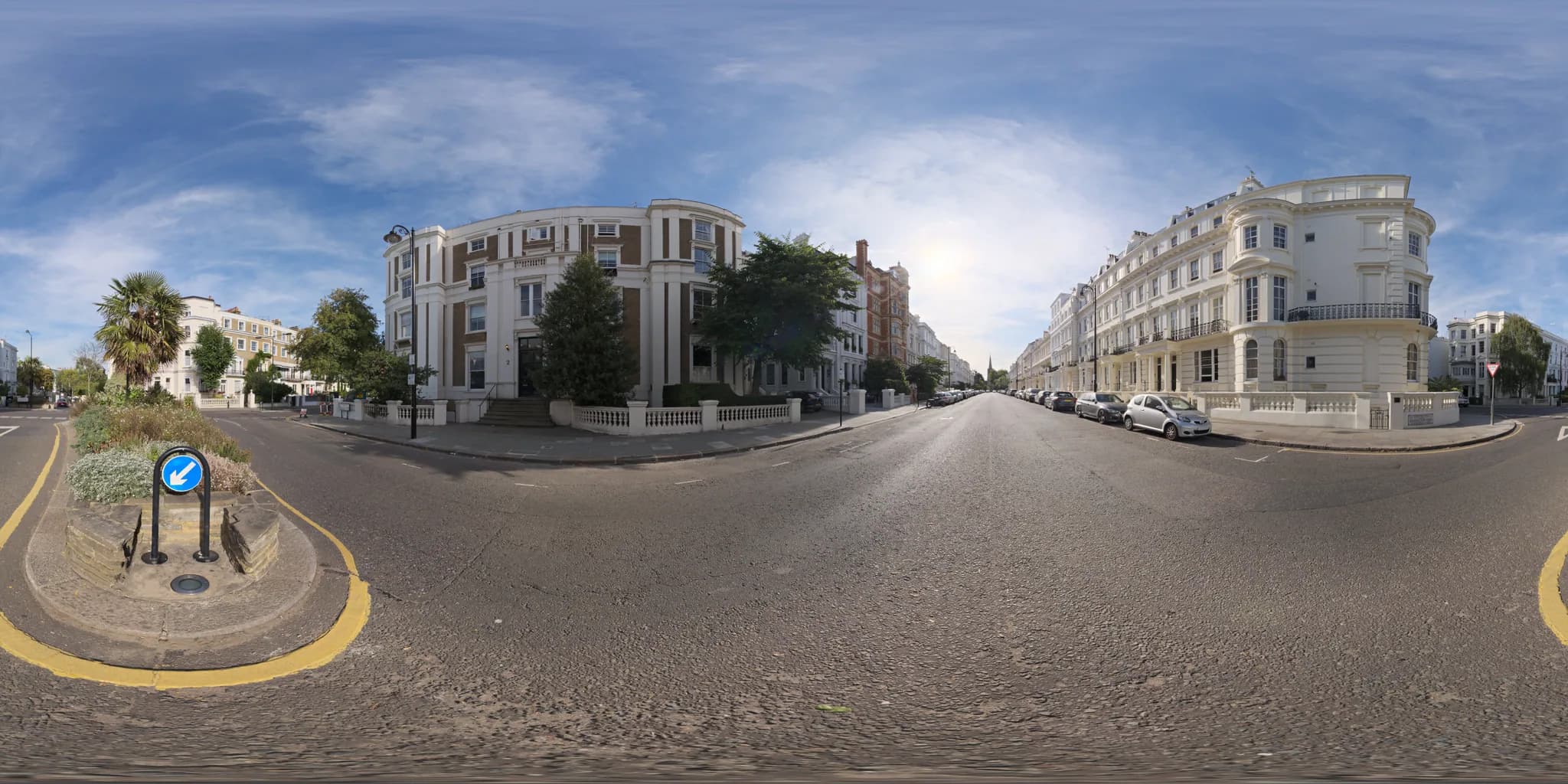
Security and defence teams building detection for airports, borders, events and critical sites.
Targets are a few pixels wide. Real footage of many drone types, at range, in every light, barely exists.
- Many drone types, sizes and flight paths
- Exact boxes, even for tiny targets
- Sun, fog and clutter varied per frame
Our public benchmark on real drone photos is underway. See the method →
Drone autonomy testing
Test a navigation or control model in simulation before it flies real hardware.
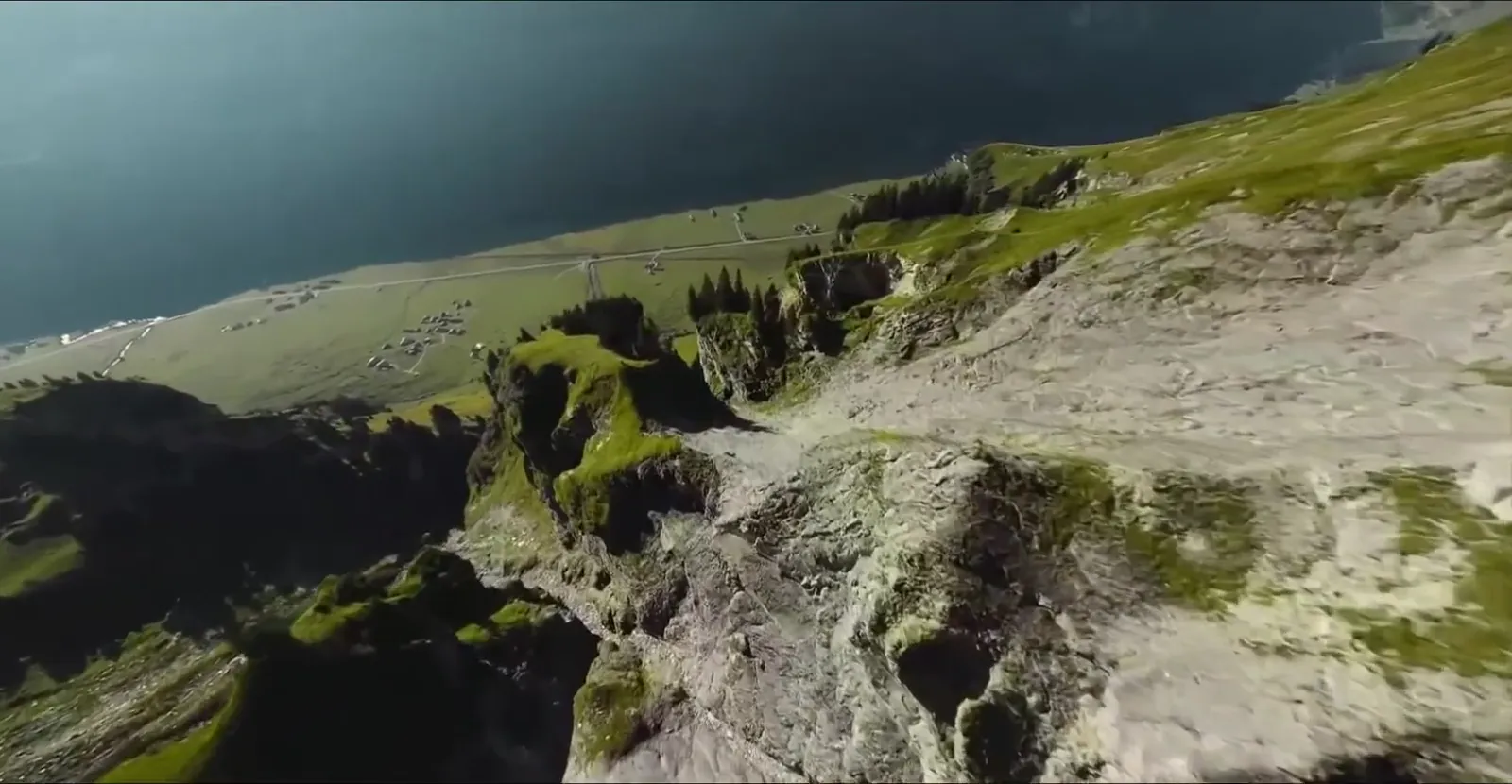
Autonomy startups and research labs building drones that navigate, inspect or deliver on their own.
Every crash costs hardware and time. Most simulators don't fly like a real drone, so results don't carry over.
- Physics matched to real firmware
- A Python interface for your model
- Repeatable scores against ground truth
A published AI pilot held a hover within 6.2 cm in our sim. See the method →
FPV pilot training
A flight trainer that runs in the browser, on the same flight model as our simulator.
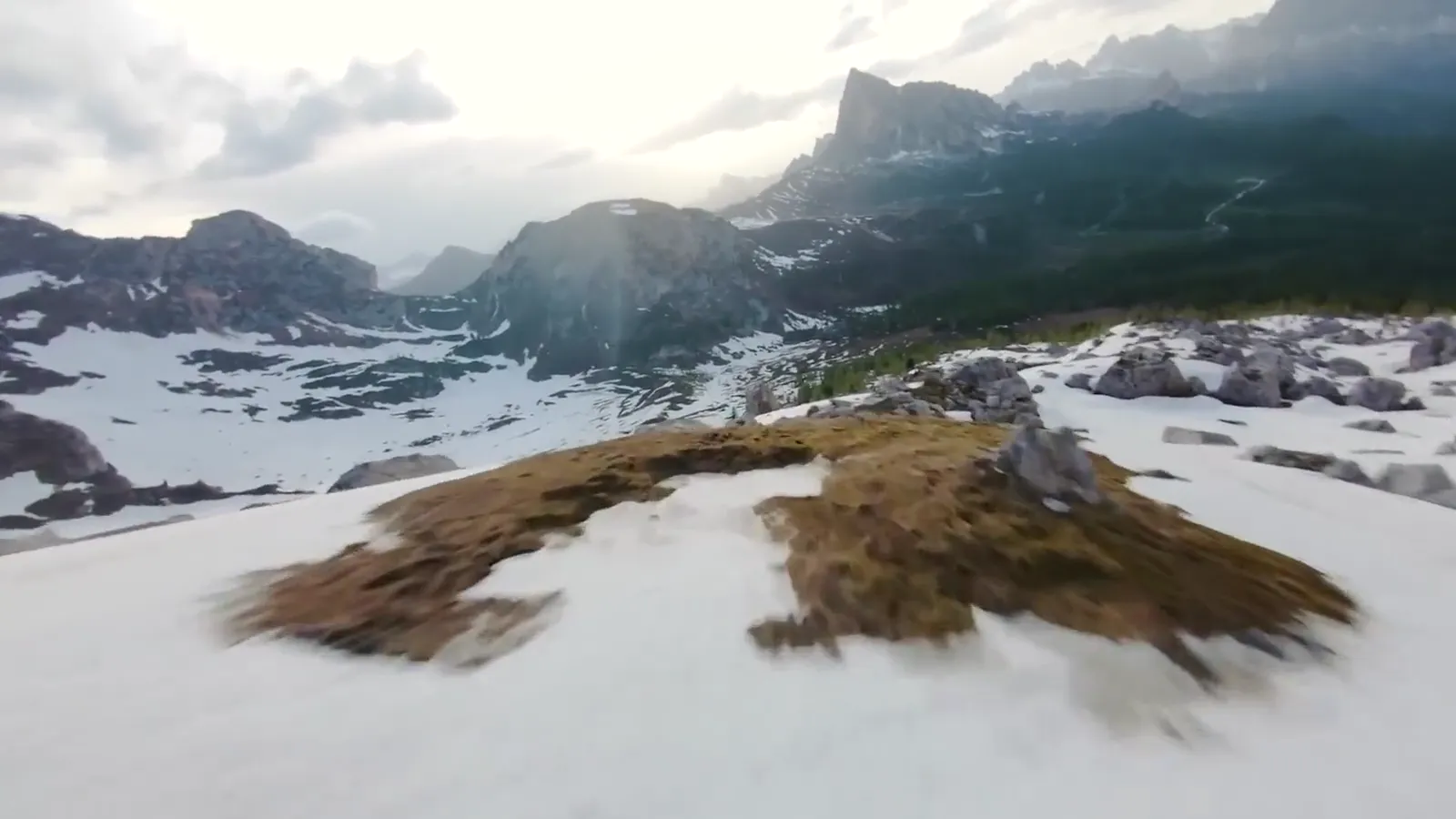
New and experienced FPV pilots, flight schools and training programs.
Learning on real hardware means crashes and repairs. Most simulators feel nothing like a real quad.
- Real radio controller support
- A global leaderboard
- A full log of every flight
Pilot runs give us real human flight data, which helps train and check autonomy models.
Working on something else with drones?
If your model needs to see or fly, we can probably build the scenario. Tell us what it is.