Product
Labelled drone data, and a test bench for your model.
Both run on the same simulator. Its flight physics are checked against real firmware and real flights, so the motion your model learns from is motion a real drone can make.
Every item on this page is tagged:
Available nowBeta or in testingPlannedSynthetic data
You describe the scene. We render it and label every frame.
What you control
- Target type, size and how it fliesNow
- Camera position, lens and resolutionNow
- Sun angle, fog and time of dayNow
- Distance range to the targetNow
- Wind and sensor noiseTesting
- Rain, snow, night and thermalPlanned
What you receive
- Camera imagesNow
- 2D boxes in COCO and YOLO formatNow
- Depth mapsNow
- Quality report for every datasetNow
- Per-object masks, track IDs and distanceTesting
- ROS 2 recordings and a Python SDK2027
Places
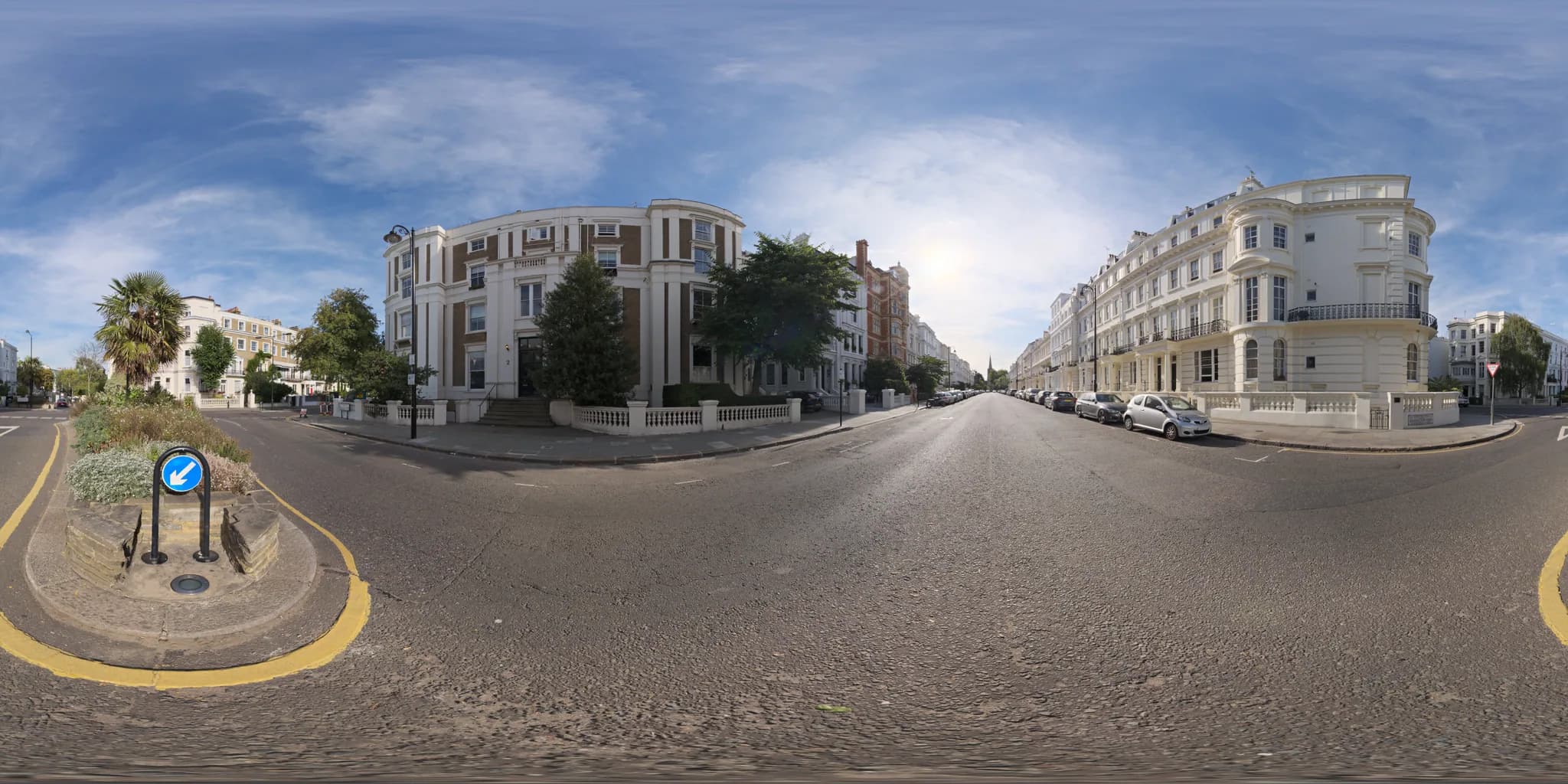
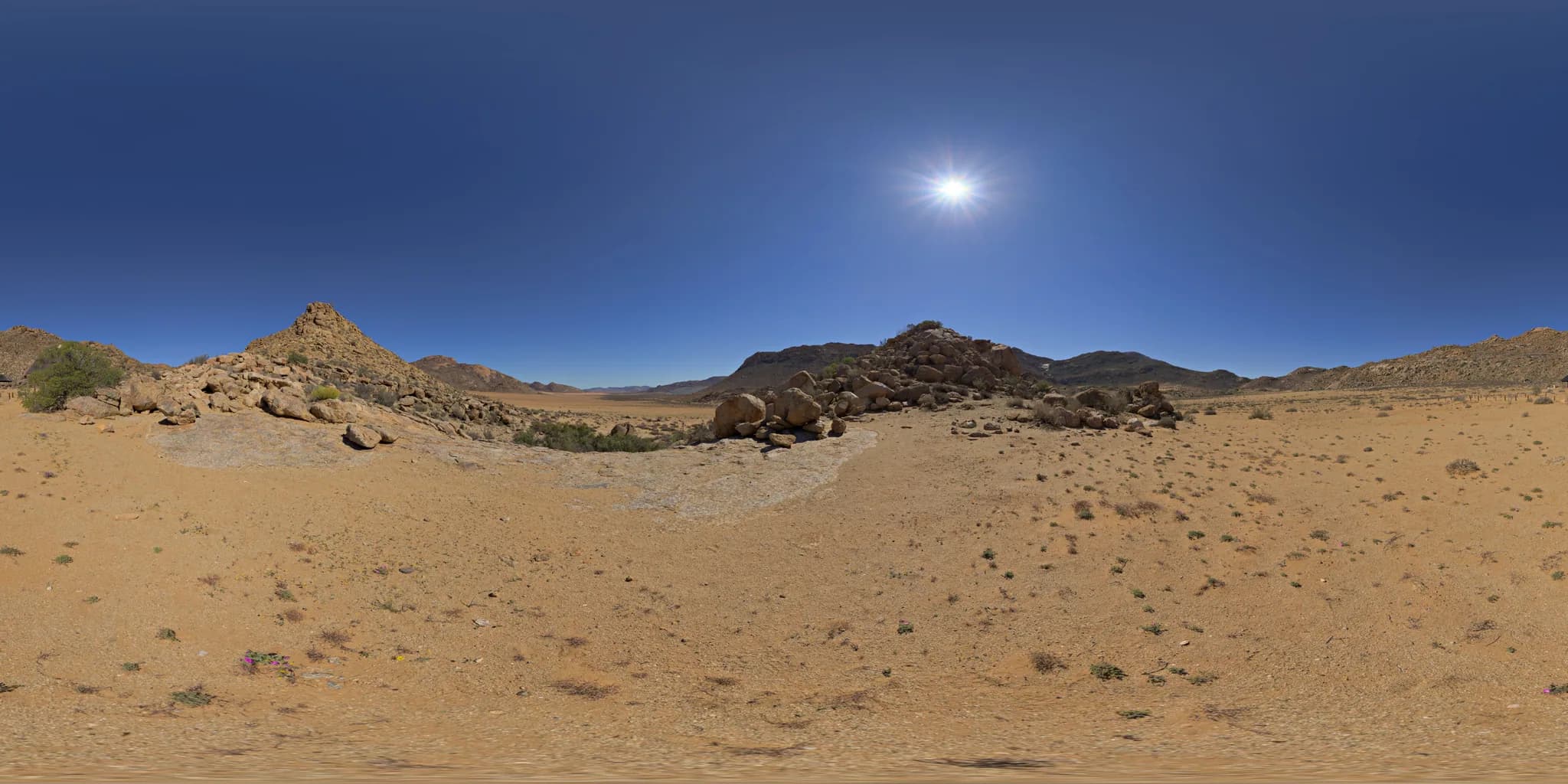
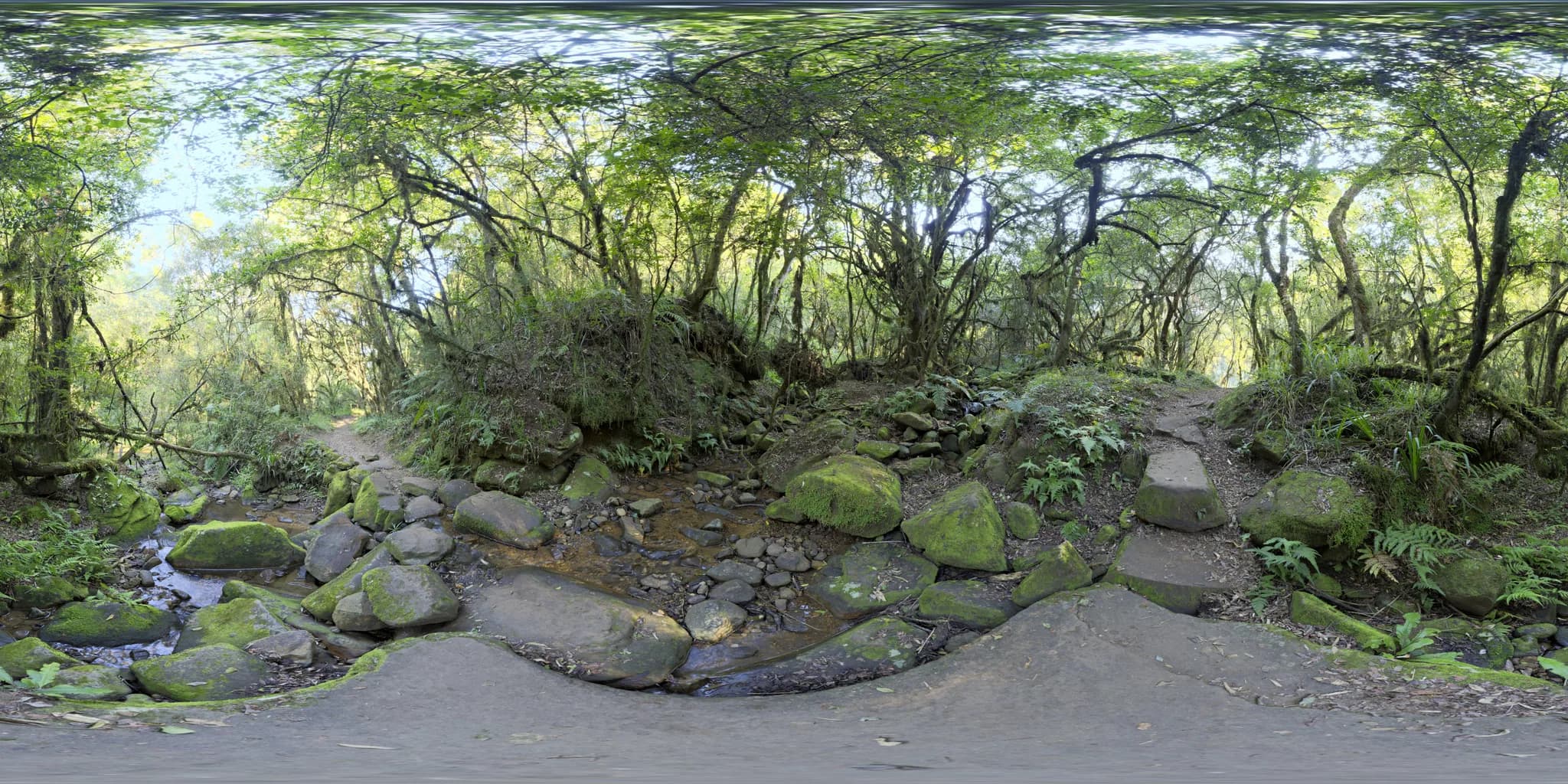
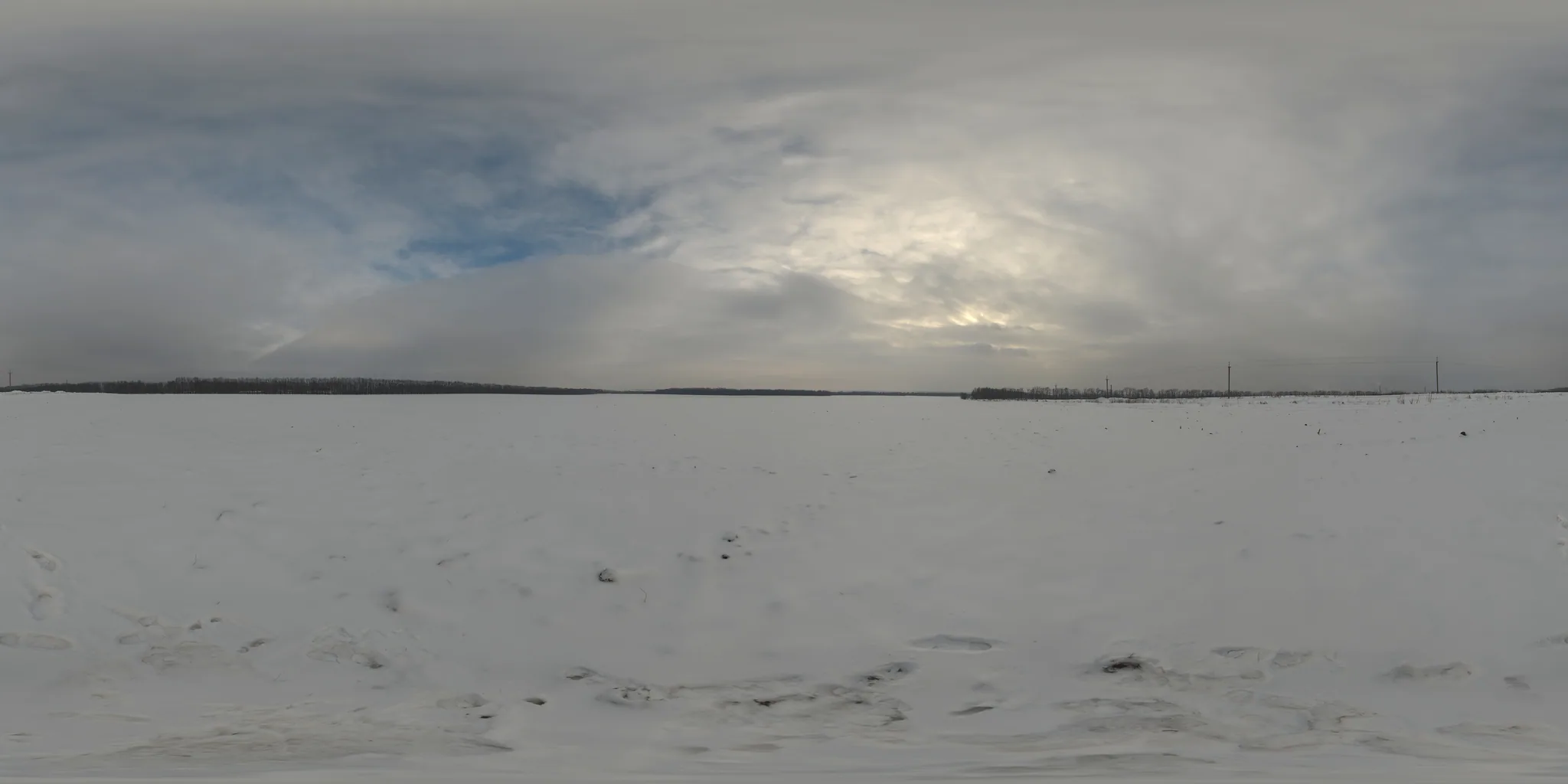
Also planned: coast and port, and the city at night. Need a specific site? We can build it for a pilot. Tell us on the contact form.
Model evaluation
Find out where your model fails before the field does.
We fly your model through the same scenarios every time and score it against exact ground truth.
- 01
Connect your model
Through our Python interface. Your model sees what the drone sees and sends commands back.
- 02
Run the test suite
Fixed scenarios with fixed seeds, so the same model always gets the same score.
- 03
Get the score
Error against ground truth for every run, plus a summary you can compare across model versions.
- 04
Fix the gaps
We generate targeted data for the scenarios your model failed, then test again.
What can be evaluated
- Flight-control and navigation policiesPrivate beta
- Detection models, uploaded as ONNX2027
- Failure breakdown by weather, distance and speed2027
- Public leaderboard2027
Drones
The drone in the simulator flies like the real one.
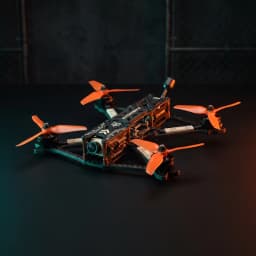
650 g · 6-cell battery · Betaflight tune
Now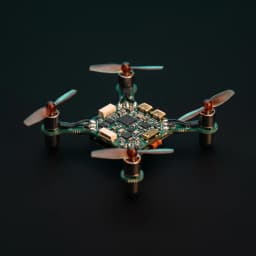
32 g research nano-quad
NowFrom a spec sheet or flight log
2027Delivery
Where it runs.
We render, you download
We run the simulator on our GPUs and deliver the finished dataset or evaluation report.
Self-serve in the cloud
Write a scenario in Python or plain language, render on hosted GPUs and download the result.
On your own hardware
A complete install on your servers with no internet connection, for programs whose data cannot leave the building.
Why us
Built for drones, from the flight physics up.
| Feature | Collecting real footage | General-purpose simulators | Unconventional Robotics |
|---|---|---|---|
| Dangerous and rare cases | Hard or impossible | Possible | On demand, repeatable |
| Label quality | Hand-drawn | Automatic | Automatic, with a QA report |
| Flight physics checked against real firmware | Not applicable | Rarely | Yes, Betaflight and NeuroBEM |
| Focus | Whatever you filmed | Many robot types | Drones only |
| Tests your model, not just trains it | No | Sometimes | Yes. Flight policies today, detectors in 2027 |
Under the hood
The parts that make the data trustworthy.
Our own flight physics
Updated 1,000 times a second, separate from the graphics, so the drone's motion is physically possible.
Real flight controller logic
The same control code that flies real FPV drones, matched against Betaflight firmware.
Realistic sensors
Gyro noise, drift and motor vibration modelled the way real chips behave. Wind and gusts push the airframe.
Unreal Engine 5 rendering
Photoreal scenes, with labels computed from the scene itself rather than drawn by people.